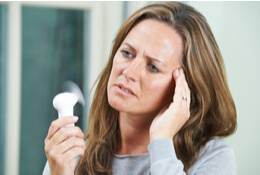
Menopause is defined as one year without a menstrual cycle. The hormone estrogen is released during menstruation. Fluctuations in this hormone during perimenopause (when a woman’s body begins transitioning to menopause) and menopause can cause many women to experience a variety of symptoms, including:
- abnormal bleeding or spotting between periods
- hot flashes
- moodiness, including feeling tired, sad or angry
- night sweats
- sleep disturbances
- urinary tract infections or incontinence
- weight gain in the abdominal or hip area
Menopause differs for every woman. Some women experience it in their 30s, while others aren’t affected until their 60s. The best indication of when a woman will enter menopause is the age the woman’s mother went through menopause.
The intensity of symptoms can also vary. Some women may experience no symptoms while others have multiple symptoms. If symptoms keep you from the activities you enjoy, schedule an appointment with your doctor to discuss treatment options, including hormone replacement therapy.
In addition to uncomfortable symptoms, a decrease in estrogen also leads to an increased risk of osteoporosis, a condition affecting bone strength and density. The National Institutes of Health recommends all women undergo dual-energy X-ray absorptiometry (DEXA) screenings beginning at age 65 or at age 60 for those at high risk. DEXA screenings are covered at no cost under many insurance plans for women older than age 60. Check with your insurer for specifics.
Here’s how to cope with menopause’s most pesky symptoms.
- Deflate hot flashes before they start. Certain things may trigger a hot flash, such as alcohol, caffeine, spicy foods, and changes in the weather or restrictive clothing. Jot down when you have hot flashes and if any of these stressors were involved, then modify your diet or activities to stay cool.
- Manage moodiness with a timeout. Feeling teary or irritated? Take five minutes to regroup by taking a quick walk or calling a close friend.
- Stick to your sleep schedule. Having a set bedtime will help you drift off to dreamland. Dress in light, cool layers to keep from getting overheated.
- Talk with your doctor about hormones. Some women benefit greatly from hormone therapy as they transition through menopause. Discuss whether this option is right for you.